
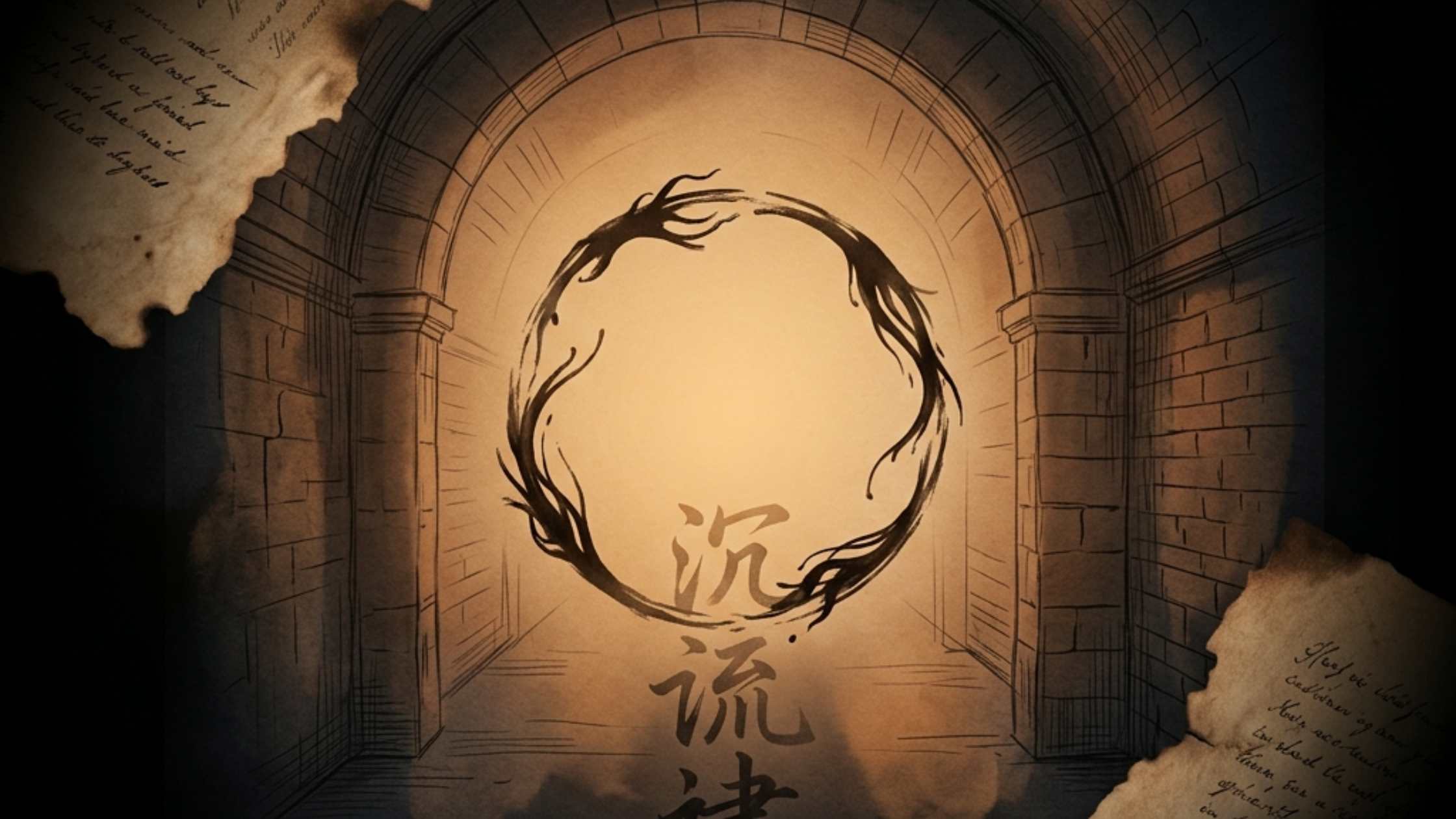
Underneath the streets of downtown Norfolk lies a centuries-old mystery waiting to be uncovered. When restoration crews broke ground beneath the Basilica of Saint Mary of the Immaculate Conception, they stumbled into a buried world of historic brick crypts and subterranean passages.
Explore the hidden history buried deep beneath Virginia’s historic coast:
- The initial 2019 discovery of a 40-foot subterranean tunnel during parish restoration work
- Expert theories linking the subterranean structures to early city waterworks and drainage systems
- Ongoing archaeological investigations into possible connections with the historic Underground Railroad
- The architectural footprint, towering spire, and rich heritage of Tidewater’s mother church
- On-the-ground driving navigation through downtown Norfolk to locate the historic site
Press play to journey into the hidden subterranean passages and forgotten stories of historic Norfolk.
(Google Gemini)
Here is a breakdown of the key facts, dimensions, and navigation context regarding the Basilica of Saint Mary of the Immaculate Conception and the 2019 discovery in downtown Norfolk.
Key Facts: The Basilica & The Tunnels
- The Discovery (Dec 2019): During extensive HVAC and floor restoration work under the church’s sanctuary, construction crews uncovered a 40-foot brick and concrete tunnel section along with mid-19th-century brick burial crypts.
- Primary Theories:
- Waterworks / Drainage: Historians (including Dr. Cassandra Newby-Alexander of Norfolk State University and Dr. David Brown of the Fairfield Foundation) note the tunnel’s trajectory ran toward a former creek bed/waterfront, suggesting an early civic or church drainage project.
- Underground Railroad: Because the parish served a large population of free and enslaved African Americans prior to the Civil War, and Norfolk was a major port for escaping to freedom, research continues into whether these subterranean spaces served as a refuge or transit point.
- Public Accessibility: The underground crypts and tunnel sections lie directly underneath the active church floorboards and are not open to the public or set up for tourist walk-throughs.
Architectural Profile & Footprint
The Basilica is a notable example of French Gothic Revival architecture constructed from hammer-dressed Virginia granite.
+--------------------------------------------------------------------------+
|                        BASILICA ARCHITECTURAL PROFILE                    |
|                                                                          |
|       ^                                                                  |
|      / \       Spire Height: ~140–150 feet (Prominent downtown skyline)  |
|     /   \                                                                |
|    /     \     Main Structure: ~120 feet long x ~60 feet wide            |
|   |   +   |                                                              |
|   |  / \  |    Material: Solid Virginia Granite with stained glass       |
|   | |   | |                                                              |
|   |_|___|_|    Location: 232 Chapel Street, Downtown Norfolk, VA         |
+--------------------------------------------------------------------------+
Location & Navigation Context
The Basilica is situated just east of Tidewater Drive / Brambleton Avenue in downtown Norfolk (near the St. Paul’s quadrant).
| Marker / Neighborhood | Distance from Basilica | Direction |
| NEON District | ~0.8 miles | Northwest |
| Ghent Neighborhood | ~1.5 miles | West |
| Freemason District | ~0.7 miles | West / Southwest |
| Berkley Area | ~1.2 miles | South (across the Elizabeth River) |
Driving Directions from Brambleton / Main Street
- From Brambleton Ave (Heading East): Turn right onto St. Paul’s Blvd or continue slightly east to Church Street.
- Turn Left onto East Virginia Street or E. Charlotte Street, then proceed one block to Chapel Street.
- The Basilica (232 Chapel St) sits directly between E. Virginia St and E. Brambleton Ave.
Note for Visual Recording: At night, the exterior granite facade, rose window, and soaring central spire are illuminated, making it clearly identifiable from Chapel Street even when the interior and underground areas are closed.
(DeepSeek)
Here’s a summary of your exploration and a fact-check of the key points from our conversation.
🎙️ Podcast Summary: Exploring the Basilica’s Hidden History
You began by asking about rumors of tunnels under Norfolk. We discussed the December 2019 discovery of a brick tunnel and three crypts beneath the Basilica of Saint Mary of the Immaculate Conception during restoration work.
- The Tunnel: Likely a 19th-century water drain, measuring about 3 feet wide by 4 feet tall. Its size has led to speculation it could have been used for the Underground Railroad. Only a 40-foot section has been documented so far.
- The Crypts: These are burial crypts that may predate the current church, possibly part of an old African-American cemetery.
- Key Figures: The investigation involves Dr. David Brown (College of William & Mary/Fairfield Foundation) and Dr. Cassandra Newby-Alexander (Norfolk State University).
- The Basilica: Originally St. Patrick’s Church (founded 1791), the current building was constructed after the 1856 fire. The parish is historically significant as a spiritual home for African American Catholics.
- Current Status: The site is not open to the public. The current rector is Father Sean Prince. The recording ended with you trying to navigate to the basilica.
✅ Fact-Check of Key Claims
Here’s a check on the specific claims we discussed:
- Discovery Date & Details: Confirmed. The tunnel and crypts were discovered in October 2019. The tunnel is a brick structure, about 3×4 feet, and is believed to be a water drain.
- Historians Involved: Confirmed. Dr. David Brown and Dr. Cassandra Newby-Alexander are the key historians.
- Original Church & Fire: Confirmed. The original church, St. Patrick’s, was destroyed by a suspected arson fire in 1856.
- Current Rector: Confirmed. The current rector is Father Sean Prince.
- Public Access: Confirmed. The tunnels and crypts are not open to the public.
- Tunnel Purpose: Partially Confirmed. Experts believe it was a water drain. The Underground Railroad connection is a prominent theory, but not definitively proven.
- Tunnel Extent: Confirmed. The documented section is about 40 feet long. The full extent is unknown.
- Crypts as Burial Sites: Confirmed. They are burial crypts, with ongoing DNA testing of remains.
It was a pleasure exploring this with you. If you decide to visit the basilica during the day, it’s a beautiful and historic site worth seeing!







Monarch City Hakeem
The teaser published on YouTube using the title “Secret Tunnels Under Norfolk: Uncovering The Underground History Beneath The Basilica.” – https://youtu.be/1iicqc9bwgo?si=63ZJZXZfhiZM9km-