
By Dr. Hakeem Ali-Bocas Alexander, PhD
UniquiLibriuM, LLC | Source: HAKEYM NEWS
During an afternoon grocery delivery run at the Harris Teeter here in Virginia Beach, a routine checkout interaction escalated into a revealing display of retail psychology.
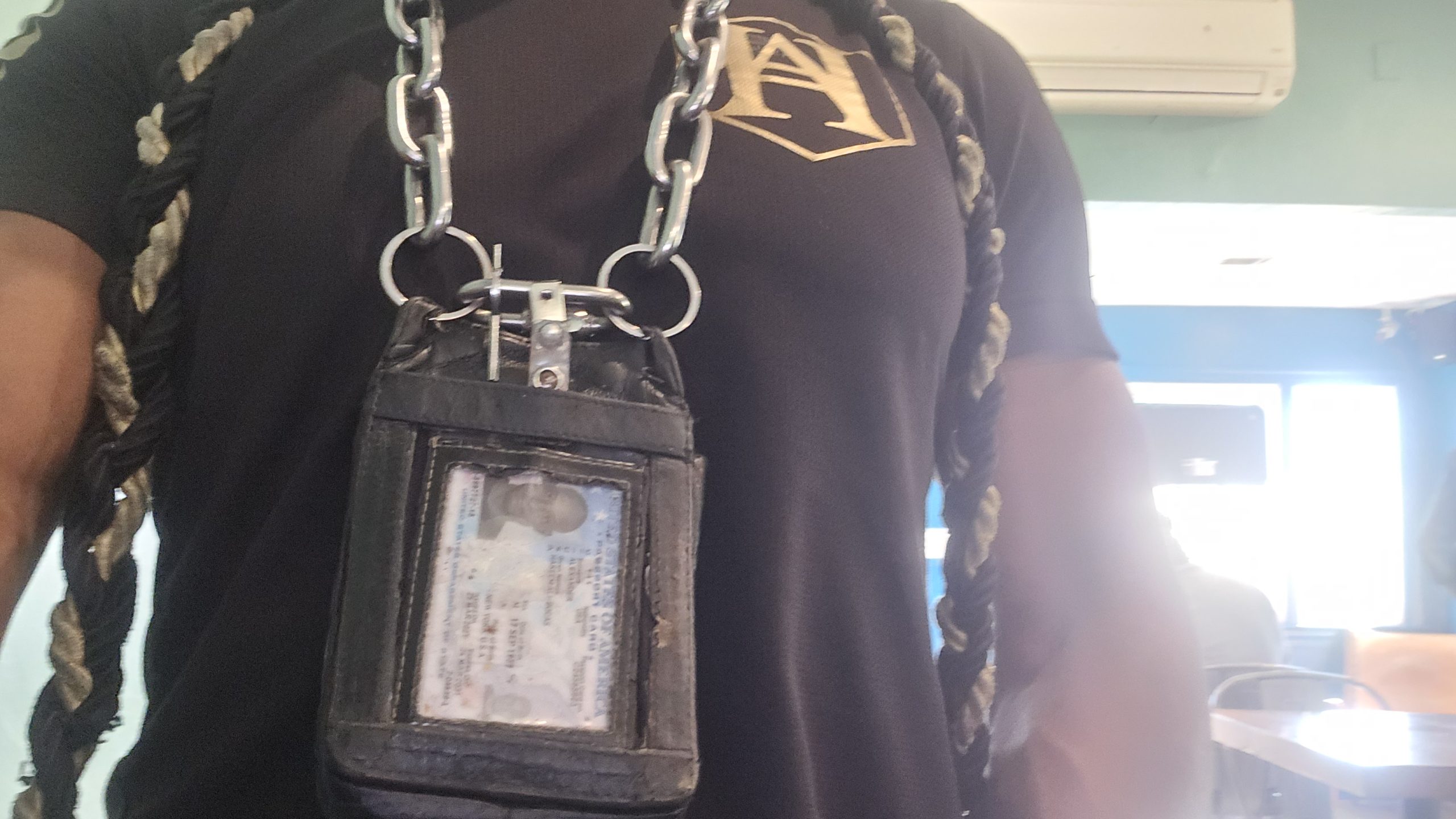
Handling an order that included an age-restricted beverage requires proof of age. Hanging from the lanyard wallet around my neck was my U.S. passport card. The associate behind the register immediately demanded that I hand it over so it could be run under the optical barcode scanner. When I explained that standard passport cards do not process through retail barcode scanners and required manual keying, the clerk pushed back hard.
“We have to scan it,” I was told. “It’s Harris Teeter law.”
Almost immediately after uttering the word, the cashier caught the slip and amended it: “policy.”
Another employee was summoned—not a store manager, but a team member with register authorization credentials. She insisted on the same mandate until attempting to scan the card herself. Seeing no barcode register, she keyed in the date of birth manually by looking at the card resting right on my chest. The entire ordeal was solved in seconds, but only after eating up several minutes of unnecessary friction.
Time, Sole Proprietorship, and Legal Identification
For an independent operator running delivery fulfillment as part of a commercial enterprise, wasted time translates directly into eroded margin. Beyond the operational delay, however, lies a widespread misunderstanding about legal identification standards in Virginia.
In the Commonwealth of Virginia, residents cannot hold both a state-issued identification card and a driver’s license simultaneously. You can, however, legally carry a U.S. passport, a passport card, and a standard driver’s license. I keep my primary driver’s license inside the vehicle where it is legally mandatory for transit. My passport card serves as my primary walking identification. It is a federally issued, tamper-resistant proof of identity and citizenship.
It simply lacks the PDF417 magnetic barcode found on state driver’s licenses. It cannot be scanned at self-checkout or standard point-of-sale registers. Even third-party logistics apps routinely struggle with optical recognition on passport cards. That technical limitation does not invalidate the document, nor does it make typing it in an illegal act.
The Chilling Effect of the Overhead Camera
The core problem is not that a cashier made a minor phrasing error. The real issue is the aggressive, unwarranted confidence with which frontline retail workers equate corporate operating procedures with statutory law.
Typing a legal date of birth into a point-of-sale system carries zero legal jeopardy. Clerks do not push back out of civic duty; they push back out of acute institutional anxiety. Under the constant surveillance of overhead security cameras and internal audit metrics, employees live in fear of supervisory reprimand.
When frontline staff are terrified of their employer’s surveillance apparatus to the point that they cannot accept a genuine federal identification, customer service shifts into a dystopian ritual. That points to an unaddressed blind spot in corporate training regimens: staff are given mandates without context, leaving them unable to distinguish company preference from public legislation.
The Lineage of Unquestioned Behavior
How does a phrase like “Harris Teeter law” enter a cashier’s lexicon in the first place? Nobody invents that on the spot. It is inherited through repetition.
It mirrors the classic scene in David Mamet’s martial arts drama Redbelt, where the protagonist Mike Terry inspects script dialogue filled






Leave a Reply